Tinder vs Modern Dating Platforms: What Changed


Navigating the Online Dating Landscape
When comparing Tinder vs dating apps, it's clear that the landscape of online dating has transformed drastically over the past decade. As more individuals seek connections online, understanding how these platforms have evolved and what features distinguish them is essential. Dating apps like Tinder have been trailblazers, spurring the rise of innovative platforms that cater to diverse dating needs. As we continue to navigate this rapidly changing territory, taking a closer look at the evolution and core features of these apps can provide invaluable insights for users seeking the ideal match.
Evolution of Dating Apps
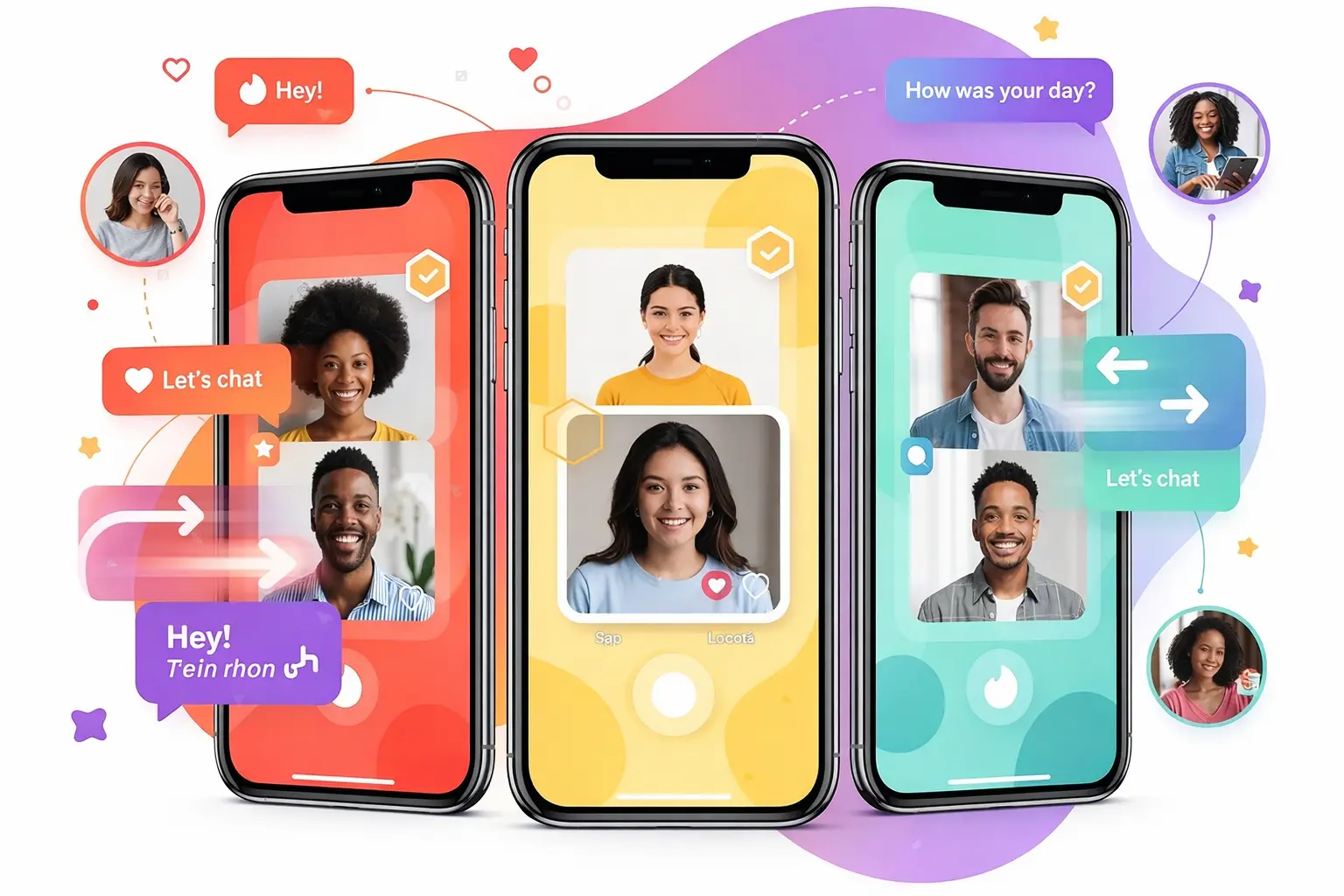
Dating apps have come a long way since the early days of Tinder, which revolutionized the industry with its simple swipe mechanism. This intuitive feature made finding matches fast and engaging, setting a standard that many apps would later follow.
As the market evolved, platforms began catering to different needs and preferences. Bumble introduced a game-changing twist by allowing only women to start conversations in heterosexual matches, empowering users and addressing concerns around online harassment. Meanwhile, Hinge focuses on fostering meaningful connections, encouraging detailed profiles and thoughtful prompts that promote genuine interaction before a match is made.
From quick swipes to intentional conversations, dating apps have continuously adapted to create experiences that suit a variety of dating goals, making online dating more personalized and purposeful than ever.
[block:ladies]
Core Features to Consider
When choosing between Tinder and other dating apps, features play a crucial role in finding the right fit. Tinder is best known for its fast-paced swipe mechanic, allowing users to make quick decisions based primarily on first impressions. While this simplicity makes the app easy and engaging to use, it may feel limiting for those looking for deeper connections.
In contrast, Bumble introduces a more intentional approach by allowing women to initiate conversations, a feature designed to encourage respectful communication and create a safer dating environment. Meanwhile, apps like Hinge shift the focus toward meaningful interaction by emphasizing detailed profiles and thoughtful prompts, helping users connect beyond surface-level attraction.
Overall, Tinder excels at quick, casual interactions, whereas Bumble and Hinge prioritize safety, depth, and more deliberate matchmaking.
Tinder: The Pioneer of Swipe-Based Dating
Tinder has undeniably reshaped the modern dating landscape by introducing swipe-based matchmaking and turning it into a global standard. This simple yet highly engaging concept made online dating more accessible and less intimidating, attracting millions of users worldwide. With its clean interface and fast-paced interactions, Tinder changed not only how people meet online but also how they perceive digital dating as a whole. Its success lies in a combination of smart design choices and a user experience that many competing apps continue to replicate.
Unique Features of Tinder
At the heart of Tinder’s popularity is its iconic swipe mechanic. Swiping right to express interest and left to pass allows users to make quick decisions with minimal effort, creating a smooth and intuitive dating flow. This simplicity is one of Tinder’s biggest strengths, especially for users who prefer instant interactions.
Tinder also enhances profile authenticity through social media integration, originally linking profiles to Facebook to display photos, shared interests, and mutual connections. Over time, the platform expanded its feature set to include options such as Super Likes, which let users signal stronger interest, and Passport, a location-based feature that allows connections with people around the world. These tools not only increase engagement but also significantly broaden users’ dating opportunities, making Tinder both flexible and globally accessible.
Pros and Cons of Tinder
[compare_cards_container]
[card:pros]
[card:title] Pros [card:#title]
[card:item]Simple, intuitive swipe-based interface that’s easy to use even for beginners [card:#item]
[card:item]Suitable for different dating goals, from casual dating and friendships to long-term relationships [card:#item]
[card:item] Fast-paced matching system that allows quick connections and instant feedback [card:#item]
[card:#pros]
[card:cons]
[card:title] Cons [card:#title]
[card:item] Limited profile depth compared to apps like Hinge, making compatibility harder to assess [card:#item]
[card:item] High risk of encountering fake profiles, bots, or scam attempts [card:#item]
[card:item] Meaningful connections may require more time and filtering due to the app’s popularity [card:#item]
[card:#cons]
[#compare_cards_container]
User Experience Insights
Tinder’s user experience is built around speed, simplicity, and instant gratification. The app is easy to navigate, with a quick sign-up process that allows users to connect their social media accounts and start swiping within minutes. This low entry barrier makes Tinder especially appealing to new users.
The swipe mechanic and immediate match notifications create a fast feedback loop that keeps users engaged and encourages frequent returns. While this gamified system is entertaining, it can also shift the focus away from building meaningful connections and toward quick judgments based on appearance.
One of Tinder’s stronger points is its chat system, which only becomes available after a mutual match. This adds a layer of security and makes conversations feel more intentional, reducing the likelihood of unwanted messages. Overall, Tinder delivers a highly engaging, efficient experience — ideal for users who value speed and convenience, but less suited to those seeking deeper, more thoughtful interactions.
Bumble: Empowering Women in Dating
Bumble has emerged as a transformative force in the online dating scene by putting the power in women's hands. In a market historically dominated by platforms such as Tinder, Bumble introduces a fresh perspective on how interactions are initiated and sustained. While both platforms offer swipe-based matchmaking, Bumble's female-centric approach sets it apart. This shift not only empowers women but also reshapes social dynamics, fostering a space where respectful and meaningful connections can thrive in the digital age.
Bumble's Unique Approach
Bumble distinguishes itself by implementing a unique female-first initiative where only women can initiate conversations in heterosexual matches. This design dramatically shifts the dynamics commonly seen in dating apps, creating an environment that prioritizes female empowerment and safety. By allowing women to take the first step, Bumble addresses concerns about unwanted messages and promotes a more respectful and considerate dating experience. Furthermore, Bumble extends its reach beyond dating with features such as Bumble BFF and Bumble Bizz, which facilitate platonic friendships and professional networking, respectively. This multi-faceted approach underscores Bumble's commitment to fostering diverse types of connections.
Comparing Bumble to Tinder
While both Bumble and Tinder rely on the swipe mechanic for matching, their core philosophies diverge significantly. Tinder, as a pioneer, has always emphasized quick and expansive matchmaking but often highlights casual connections. In contrast, Bumble centers its platform around safety and respect, encouraging users to engage in meaningful conversations. Bumble's time-sensitive connection rules, which require conversations to start within 24 hours, add a layer of urgency to its interactions. Additionally, the emphasis on allowing women to initiate contact distinguishes Bumble from Tinder, catering to users seeking more control over their online dating experience.
Successful Stories
Bumble's impact is best illustrated by its myriad success stories, which demonstrate the effectiveness of its unique matchmaking approach. Many users have found lasting relationships and friendships, attributing their success to the platform's respectful and empowering environment. Shared stories often highlight how the app has facilitated connections that might not have been possible on other platforms. For example, testimonies frequently cite the app's time limitations as a compelling factor that encourages users to be more decisive and genuine in their interactions. These real-life outcomes evidence Bumble's transformative role in the world of online dating.
Hinge: Designed to Be Deleted
Hinge has carved out a unique niche in the competitive world of online dating with its bold motto, "designed to be deleted." This tagline reflects its commitment to fostering genuine connections rather than endless swiping. Building on the innovations of predecessors like Tinder and Bumble, it blends traditional matchmaking elements with modern technology to encourage meaningful, long-term relationships. By tailoring features to meet the expectations of those looking for serious dating success, Hinge stands out in a crowded field of apps. Exploring its offerings reveals strategic differences that reshape our understanding of digital romance.
Hinge's Matchmaking Process
Hinge's matchmaking process is centered around quality interactions rather than quantity. The app encourages users to present a more complete portrait of themselves by answering specific prompts and showcasing diverse aspects of their personality and interests. This comprehensive approach is designed to facilitate deeper connections right from the start. Unlike the endless stream of profiles on other apps, Hinge provides daily recommendations based on users' preferences and behavior, refining matches over time. The emphasis is not only on swiping but also on engaging with specific aspects of a user's profile, which promotes thoughtful interactions and significantly enhances dating success.
Advantages Over Competitors
Hinge distinguishes itself from competitors through several key advantages. Firstly, Hinge's interface emphasizes depth and substance over superficial swiping, appealing to users searching for lasting relationships. The app's curated profile prompts allow users to express individuality, facilitating more authentic connections. Additionally, Hinge's algorithm prioritizes dealbreakers, ensuring users are matched only with others who meet their core criteria, reducing mismatches and frustration. Unlike its counterparts, Hinge places great value on user feedback, using this data to continuously refine the matchmaking process and improve user satisfaction. Together, these advantages make Hinge a compelling choice for those invested in serious dating.
User Feedback
User feedback on Hinge is overwhelmingly positive, highlighting its impact on dating success. Many users appreciate the platform's focus on creating meaningful connections, as evidenced by higher engagement rates and subsequent relationships arising from its matches. Testimonials often cite the enjoyable and intuitive interface as a key reason for their satisfaction. Furthermore, the app's commitment to regularly implementing suggested improvements not only meets user expectations but also builds trust within the community. In contrast to the often transient nature of other apps, Hinge's alignment with users' desire for deeper relationships is evidenced by a continually growing base of committed users.
Making the Right Choice for You
Dating in the modern age demands a strategic approach to ensure meaningful connections are formed. With an array of platforms available, ranging from Tinder's swipe-based system to Hinge's commitment to lasting relationships, it's crucial to make informed choices. The right dating app can dramatically impact your experience and success in finding a partner. This section helps you navigate the key factors to consider when selecting a dating app that aligns with your aspirations, personality, and lifestyle. We’ll explore how identifying your personal dating goals and understanding cultural preferences can help you make the most suitable choice.
Identifying Your Dating Goals
Choosing the right dating app begins with clarity about what you actually want from online dating. Whether you’re searching for a long-term relationship, open to something casual, or simply looking to meet new people, defining your goals early helps avoid frustration and mismatched expectations.
Different platforms are built around different dating mindsets. Apps like Hinge focus on deeper profiles and meaningful conversations, making them a stronger choice for users seeking serious relationships. Tinder, on the other hand, offers a more relaxed and fast-paced experience that appeals to those interested in casual dating or spontaneous connections.
By choosing a platform that aligns with your intentions, you’re not just saving time — you’re significantly improving your chances of finding the kind of connection you’re genuinely looking for.
Three Key Questions to Ask Before Choosing a Dating App
What am I looking for? Are you seeking a long-term relationship, casual dating, or simply expanding your social circle? Being clear about your goals helps avoid misunderstandings and disappointment.
Which features matter most to me? Apps differ in focus: some prioritize detailed profiles and meaningful prompts (like Hinge), while others emphasize quick interactions and simplicity (like Tinder). Choose a platform that fits your dating style.
What type of relationship do I want to build? It’s important to select an app that aligns with your expectations-whether you're looking for serious relationships, friendships, or casual connections. This increases the chances of finding compatible people and saves time.
Cultural and Personal Preferences
Cultural norms and personal preferences play a significant role in the dating sphere. Some apps offer unique features that align with specific cultural or personal values. For instance, Bumble empowers women by allowing them to initiate conversations, creating a respectful dynamic that some cultures might favor. Additionally, your personal preferences, such as desired age range, interests, or lifestyle, should also guide your choice. Many apps allow filtering based on these preferences, making it easier to connect with like-minded individuals. Understanding these nuances ensures that the app you choose complements your identity and relationship aspirations.
Final Thoughts
The key to a successful dating app experience is choosing a platform that truly aligns with your values, personality, and dating goals. Navigating the digital dating world can feel overwhelming, but keeping your priorities in mind makes the process simpler and more enjoyable.
Start by reflecting on what matters most to you: your values, intentions, and cultural preferences. Then look for apps that complement your personality and interaction style. Don’t be afraid to try different platforms and reassess your choices over time; the right app can significantly enhance your dating experience and increase your chances of forming meaningful connections.
Ultimately, the goal is to find a platform that feels natural, engaging, and supportive of the type of relationship you seek.
Conclusion: Your Journey in the Dating World
Dating apps have become integral companions in the journey of modern relationships, offering diverse paths to companionship, love, and even lifelong partnerships. As discussed, each app provides unique features and approaches tailored to various objectives, from Tinder’s broad appeal to Hinge’s focus on deep, lasting connections.
Navigating these platforms requires reflection on personal goals, relationship desires, and comfort levels with technology. Such introspection is key as you venture through the multifaceted world of online dating.
Embarking on your journey through the dating app landscape involves making thoughtful choices that resonate with your individual needs. Consider your preferred interaction style: do you thrive in environments that empower individual autonomy, like Bumble, or do you seek meaningful dialogue, as Hinge’s design encourages?
Every app caters to a different audience; thus, exploring a variety of options is beneficial. Engaging with multiple platforms will help you discover what feels most authentic to you.
Finally, while dating apps unlock numerous possibilities, they also remind us that patience and authenticity are crucial. It’s essential to maintain openness and honesty with yourself and others to create genuine connections. The path may include trial and error, but with each experience, you gather insights that illuminate what truly matters to you in a partner. Let your journey be guided by positivity and a willingness to learn, so your dating experience is not only fulfilling but also reflects who you are and the connections you wish to nurture.
[block:info_card]
The site prides itself on its intuitive interface that encourages user interaction beyond the initial match. Features such as personalized profiles, comprehensive matching algorithms, and engaging conversation starters make it easier to connect and stay connected. Furthermore, LuluDate community guidelines ensure a respectful and safe environment for all users. By joining, you’re not just downloading another app; you're stepping into a supportive and thriving community dedicated to real connections.
Explore what LuluDate has to offer by browsing through user success stories or taking part in community events designed to bring people together in meaningful ways. This focus on shared human experiences, alongside cutting-edge technology, provides a robust platform for those ready to forge genuine partnerships. Experience the difference and join a community where your relationship goals are valued and prioritized.