What Is Ghosting


What Is Ghosting in Simple Terms
Ghosting is a behavior in dating and relationships where a person suddenly stops all communication without explanation. A person may stop replying to messages, avoid calls, and disappear from interaction entirely. This often happens in online dating, on social media, or in early-stage romantic relationships, where communication is frequent but not yet deeply established.
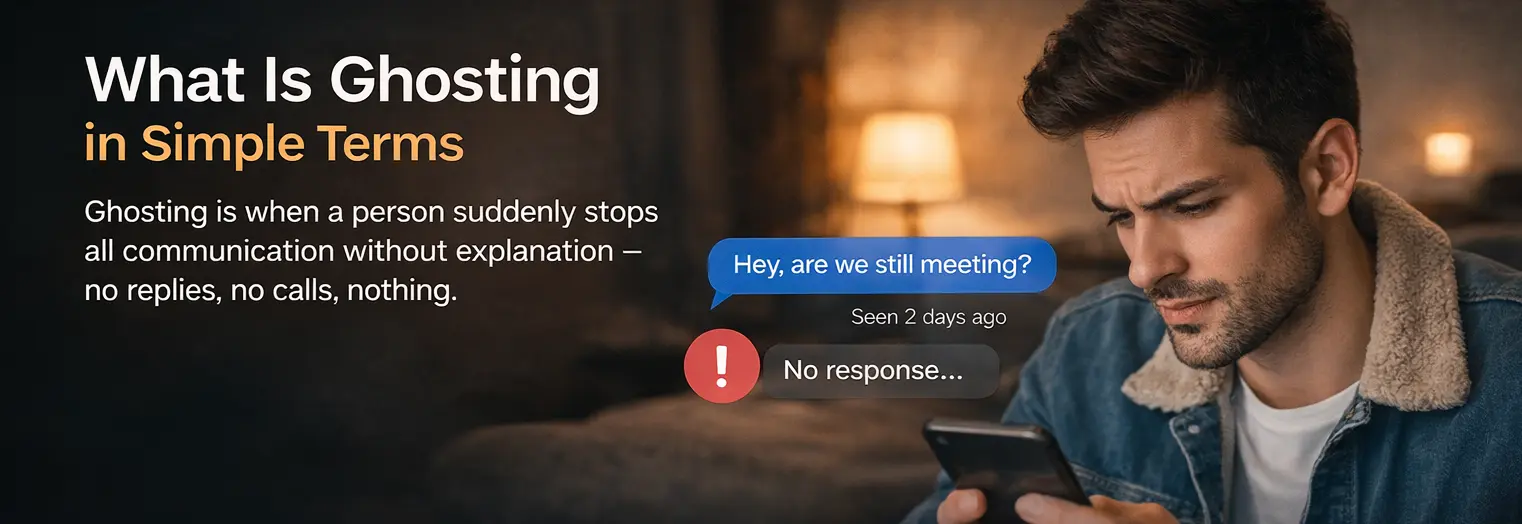
For example, two people may chat daily, share personal thoughts, and even plan a date. After a seemingly normal conversation, one person simply stops responding. No explanation, no closure, and no final message. The other person is left wondering what happened and why the communication ended. Ghosting is not always intentional harm. In many cases, it reflects avoidance, uncertainty, or a lack of communication skills. However, regardless of intention, the impact on the other person can be significant.
[block:ladies]
Why Ghosting Happens in Dating
Ghosting may occur for several reasons, and understanding these reasons helps reduce overthinking.
Some people avoid difficult conversations because they feel uncomfortable expressing disinterest or ending a connection. Instead of being direct, they choose silence to avoid confrontation.
Another common reason is emotional overwhelm. A person may feel that the connection is moving too fast or requires more emotional investment than they are ready for. Rather than explaining this, they withdraw. In online dating, behavior also plays a role. When someone has multiple matches, attention becomes divided. A conversation may lose priority, and communication fades without a conscious decision to end it.
Example: a person who is actively talking to several matches on a dating app may stop replying to one conversation simply because another interaction feels more engaging or easier to maintain.
How Ghosting Affects a Person Emotionally
Being ghosted can create confusion because there is no explanation. A person may ask themselves questions like what went wrong, whether they said something incorrectly, or if the connection was real at all. Emotionally, ghosting may lead to feelings of rejection or uncertainty. In a relationship context, communication is a key factor in building trust. When it disappears without warning, it disrupts the sense of connection.
Examples:
Someone has been chatting daily with a match for two weeks, sharing personal stories and jokes. After planning a date, the other person suddenly stops replying. The lack of closure leads to overthinking and self-doubt.
A person sends a thoughtful message after a great conversation, but it is read and never answered. They may start questioning whether they said something wrong or came across the wrong way.
After several dates that seemed to go well, one person gradually becomes less responsive and eventually disappears completely. The other person is left unsure whether the interest was ever genuine.
Someone notices that their messages are being seen but not replied to over time. This slow fade creates uncertainty, making it harder to understand when or why the connection ended.
It is important to understand that ghosting usually reflects the other person's behavior, not your value. Recognizing this helps protect emotional health and maintain confidence in future interactions.
Ghosting in Online Dating and Social Media
Ghosting is especially common in online environments such as dating apps and social media platforms. Communication in these spaces is fast, informal, and often short-term. On dating apps like Bumble, users may match with multiple people at once. Conversations can start easily but also end just as quickly. If interest decreases, a person may simply stop replying without any explanation.
Example: a conversation that begins with enthusiasm, plans for a coffee date, and regular messaging may suddenly stop if one person loses interest or shifts attention elsewhere. Social media adds another layer. Messaging on platforms can feel less formal, which may reduce the sense of responsibility to end communication properly.
Practical Examples of Ghosting Behavior
Ghosting can appear in different forms depending on the situation:
A person stops replying after a few days of conversation without warning
Messages are read but never answered
Plans for a date are made, then ignored without cancellation
Communication becomes slower until it disappears completely
Example in dating: two people agree to meet for coffee, but one person cancels at the last minute and never follows up again. The other person tries to contact them but receives no response. This is a typical ghosting scenario.
Example in relationships: after several weeks of consistent communication, one person gradually reduces replies and eventually disappears without explanation.
These patterns show how ghosting is less about a single action and more about a lack of closure in communication.
How to Respond If Someone Ghosts You
If someone ghosts you, the most effective approach is to accept the situation and avoid chasing repeated contact.
A practical step-by-step approach:
Send one final message if you feel it is necessary
Avoid sending multiple follow-ups without a response
Accept that communication has ended
Shift focus toward new connections and personal priorities
Example: if a message remains unanswered for several days, it is usually a sign that the person is no longer interested or available. Continuing to message may create unnecessary emotional stress.
Instead, invest your energy in matches or connections that demonstrate consistent communication. Healthy relationships are built on mutual effort, not one-sided interaction.
Healthy Communication Instead of Ghosting
Ghosting can be avoided through clear and respectful communication. Even a simple explanation helps provide closure.
Example of better communication: Instead of disappearing, a person might say they enjoyed the conversation but does not feel a strong connection to continue. This allows both sides to move forward without confusion.
Key practices:
Be honest about your intentions early.
Communicate when you no longer wish to continue.
Respect the other person’s time and effort.
Avoid leaving conversations without closure when possible.
These behaviors help create a more transparent and respectful dating environment.
Final Thoughts on Ghosting
Ghosting is a common pattern in modern dating, especially in online environments where communication is fast and connections are numerous. While it can feel personal, it often reflects communication habits rather than individual worth. Understanding what ghosting is helps you navigate dating more effectively, recognize unhealthy communication patterns, and focus on building meaningful connections with people who value consistency and clarity.
Take the Next Step Toward Better Dating Experiences
If you are looking for a platform where communication, authenticity, and real connection matter, it is important to choose services that prioritize verified profiles and meaningful interactions.
On LuluDate, users can explore dating opportunities with real people who are interested in building genuine relationships. The platform is designed to support structured communication and help users connect with individuals who share similar intentions. Instead of dealing with unclear communication and sudden disconnection, you can focus on matches where interaction is more consistent and intentional. This creates a better environment for developing trust, understanding values, and forming real relationships.
Registering on LuluDate can be a step toward more transparent and engaging dating experiences where communication is clearer, and connections are built with purpose.
[block_inline:info_card]